
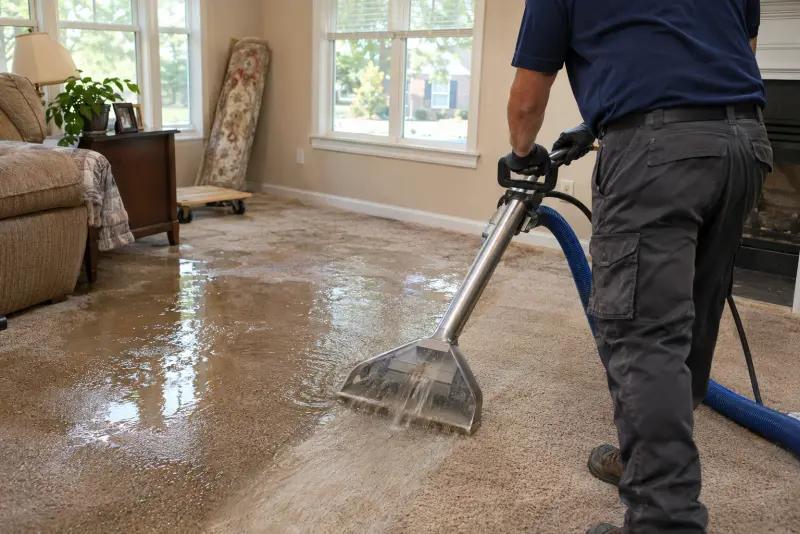
Emergency Water Extraction
Standing water removed before it reaches drywall, baseboards and stored belongings.
Get help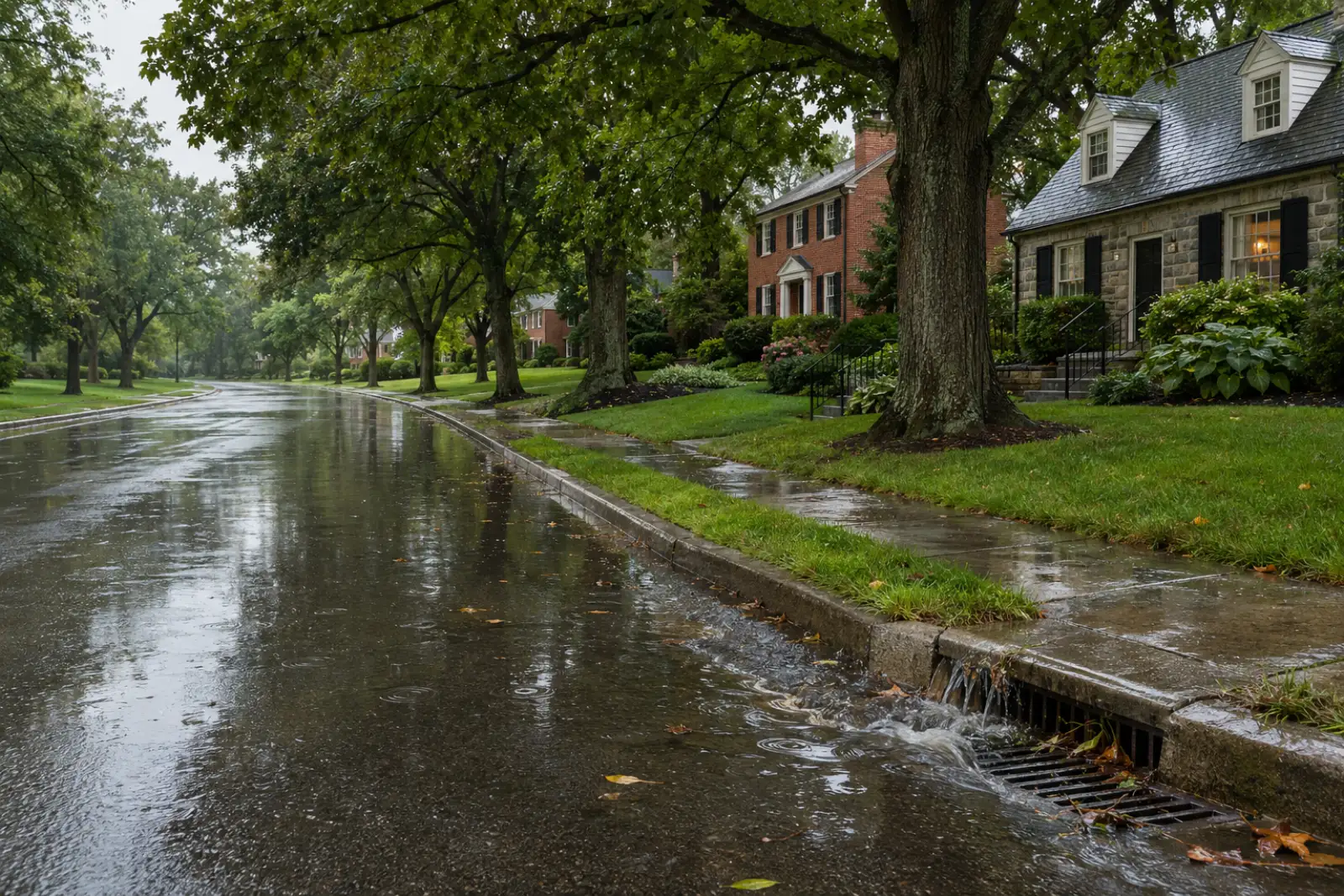
Denison grew up around the railroad, and much of its housing is older than the rest of Grayson County. Older homes bring older plumbing and more ways for water to get in.
Call (903) 555-0142 Or see how to reach dispatch. Calls are answered 24/7.Denison sits just north of Sherman on US-75, between the historic downtown on Main Street and the south shore of Lake Texoma below Denison Dam. The housing runs from early 20th-century frame homes and bungalows near downtown to mid-century ranches and newer subdivisions on the south and west sides.
Older Denison homes often sit on pier-and-beam foundations with crawlspaces, cast iron drains and galvanized supply lines. Those fail under the floor, inside walls and at the sewer cleanout, and a crawlspace can hold water long after the leak is fixed.
Newer homes on slab foundations have a different pattern: water heater failures, attic line breaks during freezes and slab leaks made worse by the clay soil shrinking and swelling through the year.
The same four failures account for most of the calls we run in Denison.
Cast iron drains and galvanized supply pipe corrode from the inside. They fail at joints under the floor or inside walls, and the leak often runs for a while before anyone sees it.
Pier-and-beam homes collect water under the floor from plumbing leaks and storm runoff. The joists and subfloor stay damp, and the first sign is often a musty smell or a soft spot.
Pipes in crawlspaces, exterior walls and attics are exposed during ice storms. A split line can run for hours, especially in a home that is empty for the weekend.
Spring storms bring hail and wind that break shingles and open roofs. Water runs into the attic insulation and shows up as a ceiling stain one room over.
A wet floor is a symptom. The useful question is whether the water came from under the house, down from the roof or out of a pipe. The answer changes the cleanup and the repair.
The same crew handles extraction, drying, contamination cleanup and the repair.
Standing water removed before it reaches drywall, baseboards and stored belongings.
Get help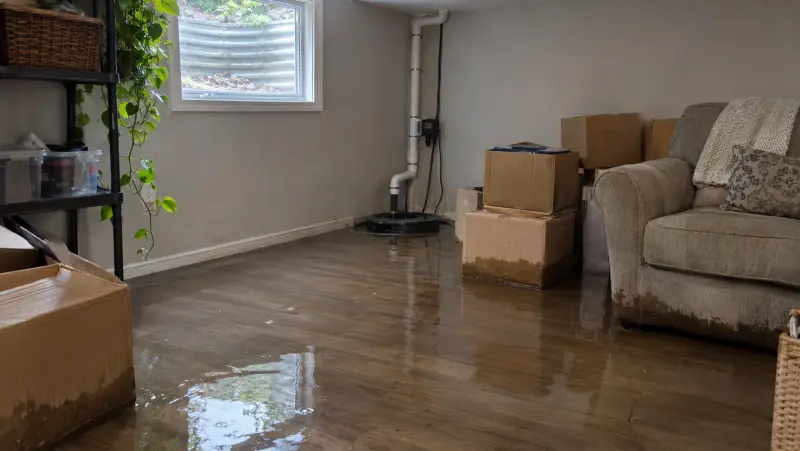
Leaks under the slab, wet crawlspaces under older homes and runoff at the foundation.
Get help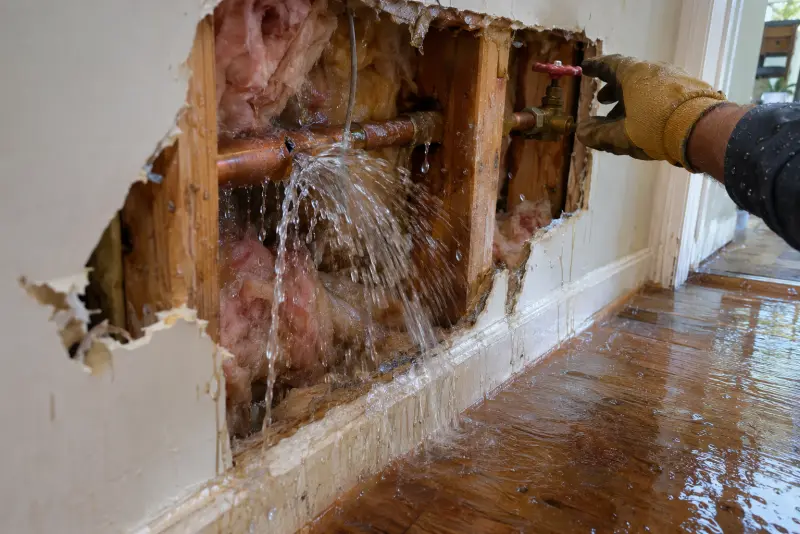
Hard-freeze splits, attic line breaks and ceiling stains traced to the source.
Get help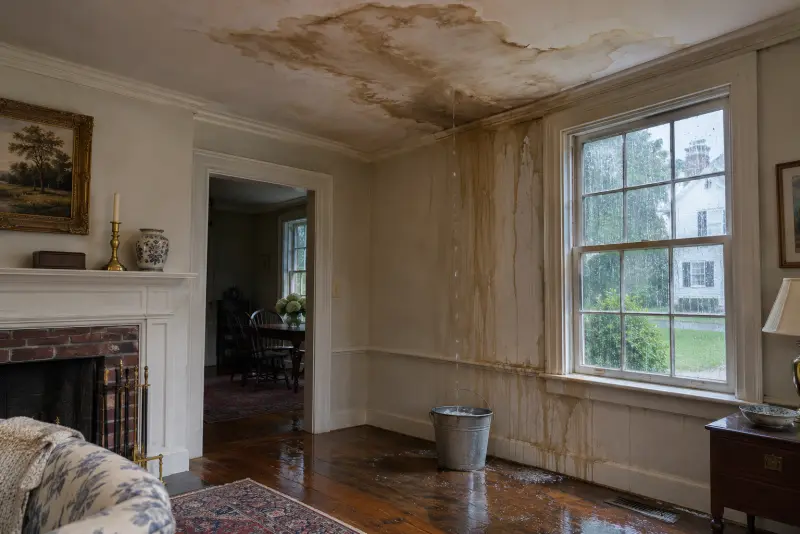
Hail-damaged roofs, wind-driven rain and ceiling leaks after a Red River Valley storm.
Get help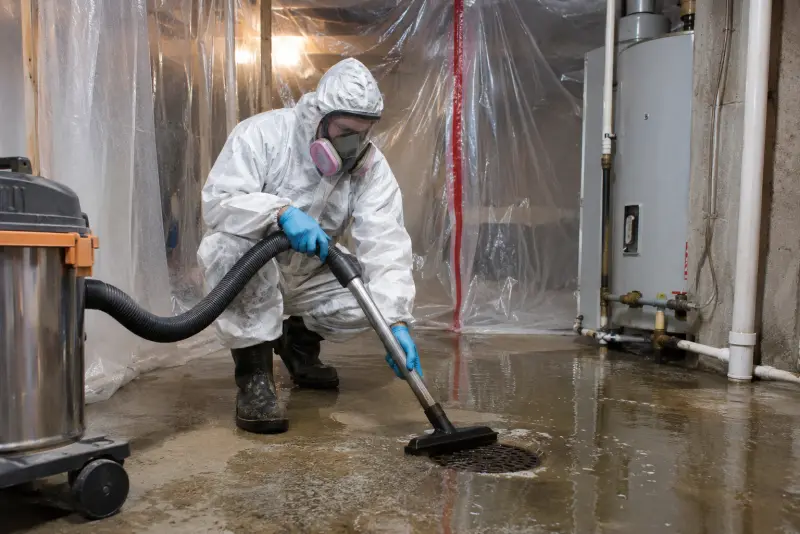
Contaminated water handled with containment, PPE and proper disinfection.
Get help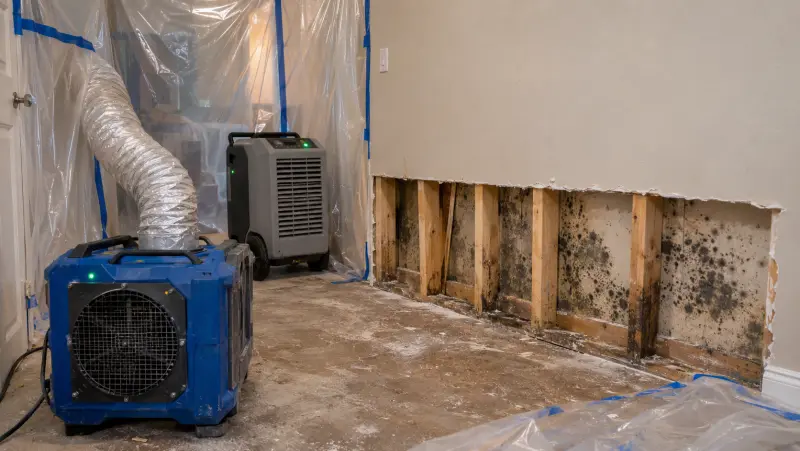
Containment, HEPA filtration and repairs after the structure is dry.
Get helpLocal knowledge matters when the housing stock changes block by block.
75020 · Historic storefronts and older homes. Aging drain lines, flat roofs and crawlspaces.
75020 · Established neighborhoods near the park. Mature trees, root intrusion and roof leaks.
75020 · Homes on the south side toward Sherman. Slab leaks, water heaters and supply-line failures.
75020 · Homes toward the dam and the lake. Storm runoff, humidity and seasonal-home freezes.
75020 · Retail, hotel and office properties. Sprinkler lines, rooftop units and overnight supply breaks.
75020 · Mid-century ranches and newer homes. Pier-and-beam crawlspaces and attic HVAC condensate.
These are the signs that usually justify a moisture inspection rather than a wait-and-see approach.
Send a photo or describe what changed. We will tell you whether it needs a visit today.
Call now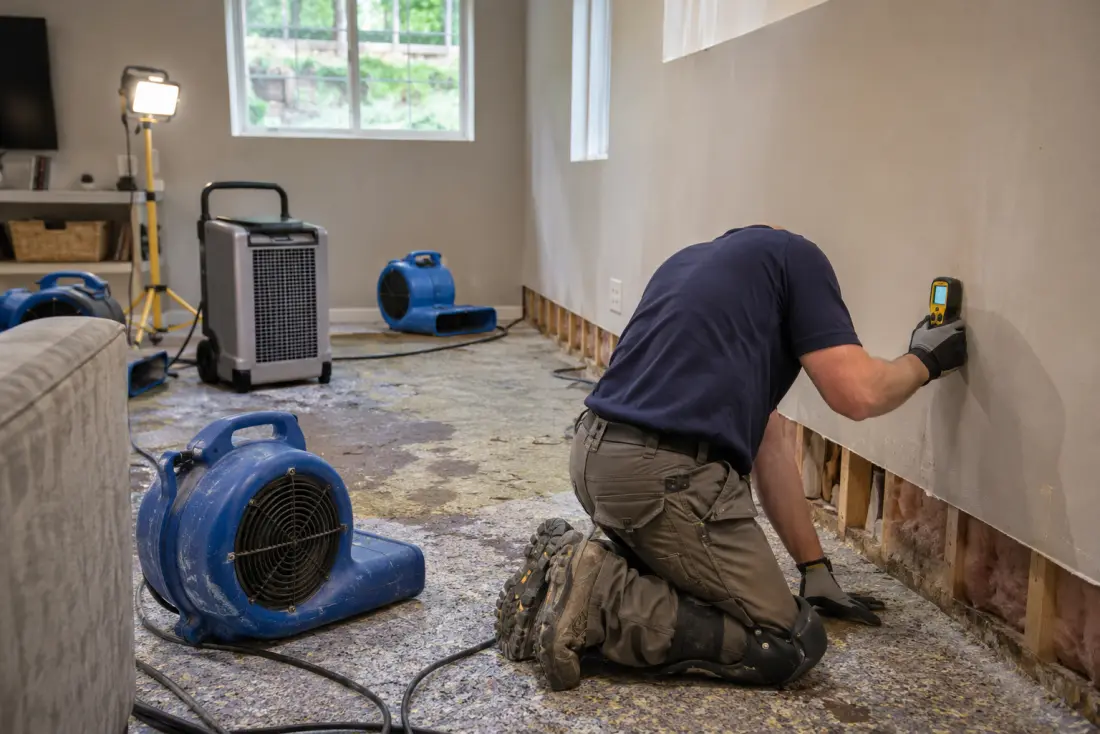
No mystery, no pressure. Here is the sequence from the first call to the final reading.
We confirm the address, the source and whether the water is contaminated. You get safety guidance before the crew leaves.
Moisture meters and thermal imaging map the affected area. We photograph materials and record readings.
Standing water is extracted. Saturated carpet, pad and material that cannot dry in place are removed and documented.
Equipment is sized to the space and checked daily. Drying continues until readings meet the dry standard.
Drywall, trim, flooring and paint are scoped after drying and insurance review.
We reach Denison straight up US-75 from Sherman, with downtown, the Waterloo Lake area and the neighborhoods toward the dam all a short run.
Older homes can have tight crawlspace access and narrow driveways. Tell dispatch about access before arrival so the crew brings the right equipment.
Use the map link for the general area. For a crew response, call and give the exact address, gate code and any access notes.
Open area mapLocal answers, not a national script.
Yes. We remove standing water, pull wet insulation that cannot dry, set dehumidifiers and air movers under the house, and monitor the joists and subfloor until they read dry.
That is a plumbing decision. A licensed plumber can assess the system. From our side, we document every wet area so a partial repair does not leave saturated material behind.
Yes. We work on storefronts, offices and mixed-use buildings and coordinate access and work hours with the owner or property manager.
Usually. We ask when it happens and whether it lines up with rain or fixture use. Moisture mapping and pressure isolation confirm the source before demolition.
Request service
Call for active water, estimates, scheduling and questions. If water is near outlets, a panel or a gas appliance, leave the area and call from a safe place.
One call gets you shutoff guidance, an arrival window and a plan for Denison. Have your address and any insurance claim number ready.
Call (903) 555-0142Tap to call from your phone.
Call now. We will tell you what to shut off, what to move and what to leave alone until the crew arrives.
Call (903) 555-0142